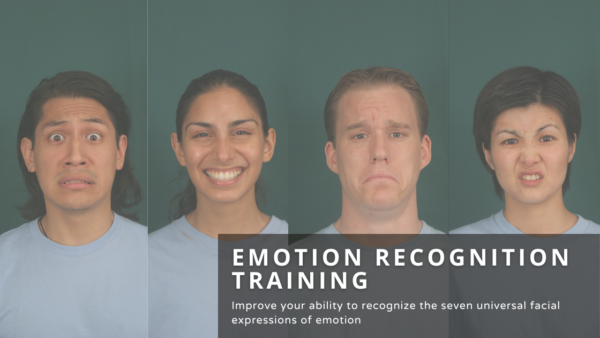
In case you missed it, here are a collection of nonverbal communication podcast episodes featuring Humintell Director Dr. David Matsumoto. Enjoy!
Reading Nonverbal Behavior
A conversation with world-leading researcher and expert in emotion, body language, facial expressions, behaviour and deception – Dr. David Matsumoto.
This conversation was broadcast live to EIA students completing their studies for the Master of Science Degree in Communication, Behaviour and Credibility Analysis on 28th July 2022.
Dr. Matsumoto is unique in that he has his feet firmly planted in both the academic and ‘real world’ application of behavioral science.
He is trusted by many of the security and policing organizations within the US who seek his training to support their teams so they can better read and understand the people they engage with and help keep themselves and the world safe.
How to Read Microexpressions
Discover how to read microexpressions and improve your observation skills. In this episode of our series, The World’s Most Interesting People, I sat down with Dr. David Matsumoto.
He’s the Director and Lead Researcher for @Humintell and is the Founder and Director of SFSU’s Culture and Emotion Research Laboratory.
Dr. Matsumoto is a world-renowned expert in the field of emotion, nonverbal behavior, deception and culture.
He has produced over 400 academic works including books, book chapters, journal articles and conference presentations and sat down with me to discuss how to use observation skills to determine intent and deception.
Unlock The Secret to 95% of Communication
Ever wondered how much of what we say is actually not said? Join us as relationship expert Kimberly Beam Holmes dives deep into the fascinating world of nonverbal communication with renowned psychologist Dr. David Matsumoto.
In this eye-opening conversation, they uncover the power of facial expressions, micro-expressions, and body language in building attraction, trust, and deeper connections.
Discover how to navigate complex emotions like anger and contempt in your relationships, and learn the surprising truth about empathy across cultures.
The Importance of Non-verbal Communication
Is it true that there are 19 different smiles, but only 6 of them are related to happiness? What happens when we smile sadly and what does the rest of our body language convey?
In this video, psychologist and researcher, David Matsumoto, describes the importance of non-verbal communication and what “microexpressions” and “emblematic gestures” consist of as a universal language.
He suggests that non-verbal communication is learned almost innately and can be used as an educational tool to help learning.
Understanding Human Behavior
Humintell Director David Matsumoto recently appeared on the Social-Engineer Podcast: The Doctor Is In Series – where they discuss understandings and developments in the field of psychology.
In their latest episode, Social Engineer CEO Chris Hadnagy and Director of Education Dr. Abbie Marono interview Dr. Matsumoto on the topics of emotion and nonverbal communication.
How to Gather Data for Your Most Important Negotiations
The post ICYMI: Nonverbal Communication Podcast Episodes first appeared on Humintell.
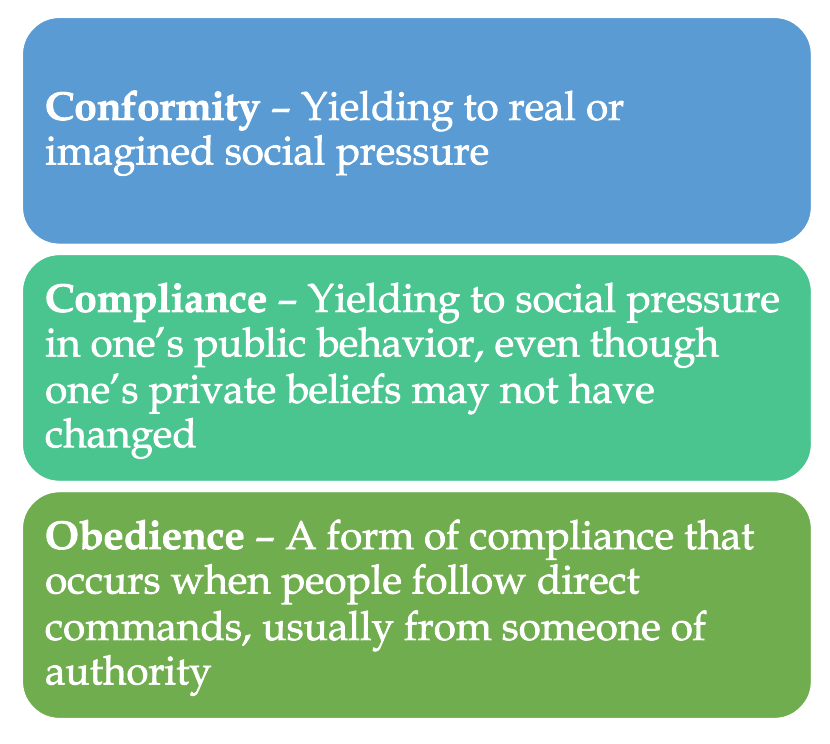
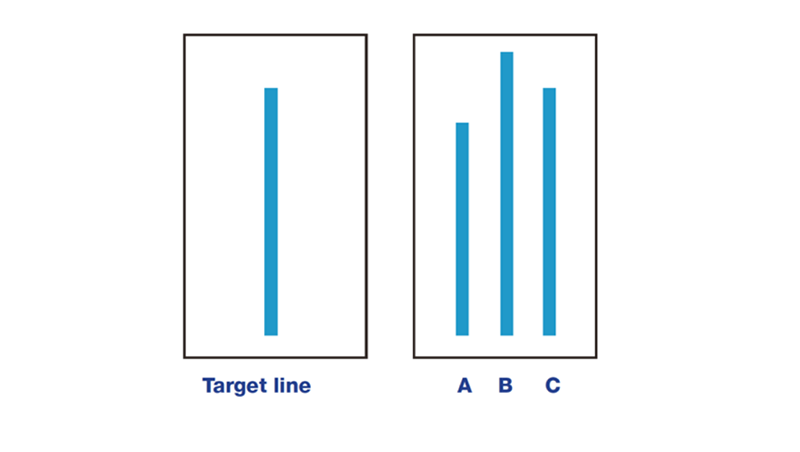 A researcher named Solomon Ash conducted a very well-known set of experiments that are some of the first and classic studies on conformity and compliance.
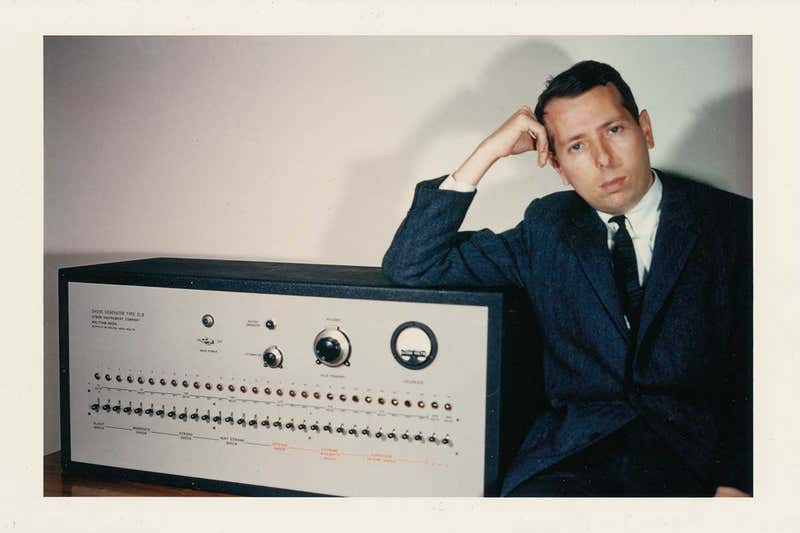 Like the Ash experiments, any people have heard about the Milgram experiments led by Yale psychologist Stanley Milgram.
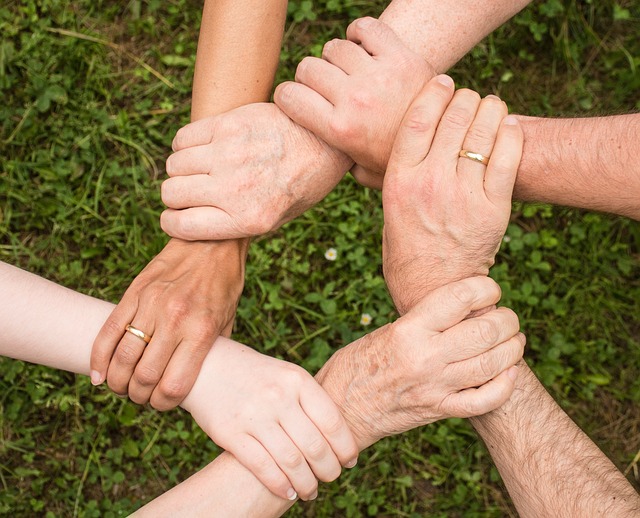 Cooperation refers to people’s ability to work together towards common goals. Cooperation is necessary in every society and based on unique cognitive abilities, especially a concept called shared intentionality.
 When people are in a group and they have a task to do, sometimes individual productivity and motivation is reduced. This concept is called social loafing.
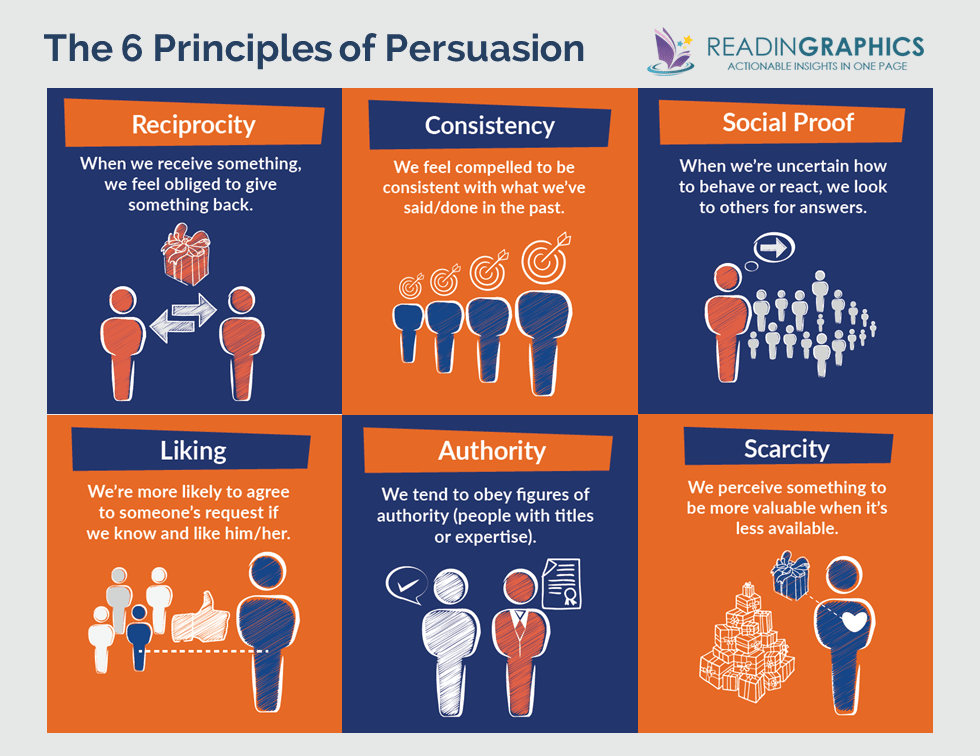 Without a doubt, the most influential psychologist in the area of persuasion and influence is Robert Cialdini.
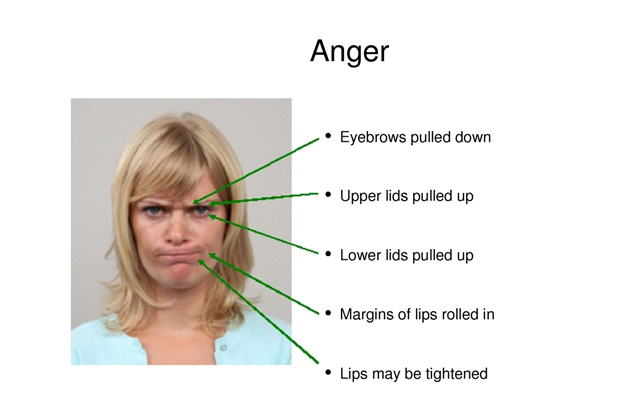
 When we think about potentially destructive emotions, we often think about anger. And for good reason; anger is probably the most common emotion that leads to feelings of regret later.
 Across all the experiments, anger improved people’s ability to reach their goals compared with a neutral condition in a variety of challenging situations.